Preparing for a Fast at Fasting with Grace.
The Ultimate Guide for those who want to get started!
Introduction
If you’ve ever wondered how to prepare for a fasting retreat in the UK, you’re not alone. Many first-time fasters feel excited but also uncertain: What should I eat beforehand? Is intermittent fasting safe? Will I be able to manage water fasting? Preparing properly can make all the difference between arriving anxious and arriving confident.
Clear Answer Up Front
The best way to prepare for a fasting retreat is to experiment at home with different fasting methods, ease into lighter whole foods in the weeks before, reduce carbohydrates, remove processed food as much as possible and have a think about your caffeine! Research shows that fasting offers wide-ranging benefits—from cellular repair to reduced inflammation—and with expert guidance at a retreat, you can explore these benefits in a safe, structured way.
Science & Explanation
Fasting isn’t just about skipping meals—it creates measurable physiological changes that benefit your body and mind.
- A 2024 review in Nutrients found that intermittent fasting can improve metabolic health by enhancing insulin sensitivity, reducing oxidative stress, and lowering inflammation.1
- Another study showed that fasting supports neuroprotection, boosting mental clarity and cognitive performance through increased ketone production and changes in brain-derived neurotrophic factor (BDNF).2
- Extended fasting may also reset immune function and promote autophagy, the body’s natural “cellular recycling” process.3
At Fasting with Grace, these findings shape the retreat experience, combining water fasting, broth fasting, and intermittent fasting coaching with expert support to help you safely explore the science in real life.
Practical Advice
Preparation is both physical and mental. Start by experimenting with fasting at home: try a 24-hour fast, a 36-hour fast, or one meal a day (OMAD). Notice how your body responds and reflect on which eating window feels most sustainable. Think about which meal brings you the most joy—maybe dinner with your family or lunch during work—and preserve that. If it brings you joy then it is important!
Play with fasting drinks like herbal teas or sparkling water, and pay attention to activities that help time pass with ease. Some people enjoy gentle walking or yoga; others, like me, find cleaning absorbing without being too physically demanding. Just as importantly, honour the things that feel too difficult to do in a fasted state. For me, it’s the emotional energy of parenting young children. For you, it might be high-intensity exercise, family occasions, or social events. There’s no “failure” here—just valuable learning.
Take a look at the list below of additional things you might want to think about and experiment with
- Ultra-Processed Food
Avoid ultra-processed foods for at least 28 days before the fast if possible. A helpful tip: if the ingredients aren’t ones you’d find in your kitchen: avoid. - Coffee
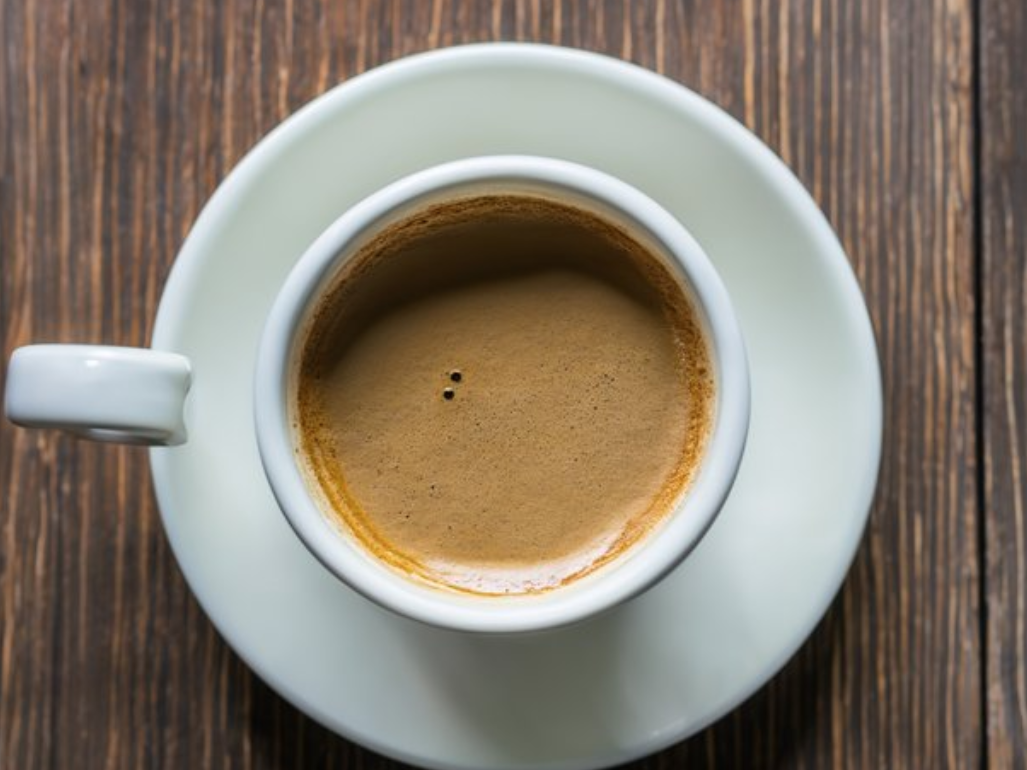
Some people continue drinking coffee while fasting – it’s a personal choice. Coffee doesn’t break a fast and may support autophagy, but it can dehydrate you.
If you plan to stop caffeine entirely, begin at least 10 days pre-fast to avoid withdrawal headaches. Switching to decaf is a good middle ground. - Kick the carbs
Consider reducing or eliminating carbohydrates from your diet in the days or weeks leading up to the retreat. It allows you to enter deeper fasting states more quickly, preserve muscle, and recover more easily afterwards. You may even reach ketosis before starting your 3-day fast, which can help you feel more balanced during the process. This approach also prepares you for the dietary guidance I’ll offer during the week following your fast. You could follow a ketogenic diet, or any approach that significantly reduces carbohydrates while keeping healthy fats and protein high. Try looking up ketogenic recipes and meal plans to see if it resonates with you. If you're curious, give it a try! - Intermittent Fasting (IF)
We recommend introducing intermittent fasting into your routine leading up to the retreat. This helps your body gradually adjust and could even promote autophagy earlier. Plus, the more you practice fasting, the easier it will become. Here is a list of most of the intermittent fasting protocols you might want to experiment with. Get playful, get curious and have fun learning about the fascination thing that is your unique body and mind!
Intermittent Fasting Protocols
- 12:12 Method – Fast for 12 hours, eat within a 12-hour window (e.g., 8am–8pm).
- 14:10 Method – Fast for 14 hours, eat within a 10-hour window.
- 16:8 Method – Fast for 16 hours daily, eat all meals within an 8-hour window (common beginner schedule).
- 18:6 Method – Fast for 18 hours, eat within a 6-hour window.
- 20:4 Method (Warrior Diet) – Fast for 20 hours, eat one large meal or two small meals within a 4-hour window.
- OMAD (One Meal A Day) – Eat a single meal within 1–2 hours, fast the rest of the day. This meal can be at any time of day to suit you.
- Alternate-Day Fasting (ADF) – Alternate between eating days and 24-hour fasting (or very-low-calorie) days.
- 5:2 Diet – Eat normally 5 days a week, then restrict calories (500–600) on 2 non-consecutive days.
- 36-Hour Fast – Fast for a full day plus the surrounding nights (e.g., dinner Monday → breakfast Wednesday).
- Eat-Stop-Eat – Fast for 24 hours once or twice per week.
- Spontaneous Meal Skipping – Simply skip meals when not hungry, without a strict schedule.
Key Focus for your arrival
The number one goal in terms of arrival is to arrive relaxed. Cortisol is the enemy of fasting. Take a look at your schedule and commitments around the retreat and re-arrange them to ease your path that week, before and after. Think about your travel and how best you can make it as stress free as you can. This will be very individual but if you are concerned about anything at all please get in touch. We will do what we can to ease your mind and your transitions and offer practical advice and help where we can to give you maximum chance of having maximum gains!
FAQ Section
Is intermittent fasting safe for beginners?
Yes—when practiced thoughtfully. Studies confirm that intermittent fasting is generally safe for healthy adults, though it should be avoided by those who are pregnant, breastfeeding, or managing certain medical conditions.
What to do if I don’t feel I can do any preparation?
There are many reasons why you might feel unable to prepare in advance—and that’s absolutely nothing to worry about. Preparation is not essential. The most important thing is that you arrive at the retreat feeling calm and relaxed. We’ll be here to guide and support you every step of the way. While some light preparation can make the transition easier and enrich your learning, you’ll still be able to complete a three-day fast with us at Fasting with Grace successfully, even without any prior experience.
What are the main benefits of fasting retreats?
Guests often report detoxification, mental clarity, improved focus, emotional reset, and better understanding of their fasting rhythms. Having the opportunity to safely carry out a fast in a beautiful surrounding with supported by carefully crafted activities to nurture and enrich you. With temptation removed and the camaraderie of fasting in a group along with the on hand advice of experienced faster should help you breeze through your fast, learn lots and thrive while you learn how to fast safely and confidently.
Do I need to prepare before attending?
It does help but it is not essential. Experimenting with short fasts beforehand, adjusting your diet to lighter foods, and identifying supportive activities will make the retreat more enjoyable and effective.
Conclusion
Preparing for a fasting retreat at Fasting with Grace is about curiosity, experimentation, and gentle preparation. By trying different fasting windows, adjusting your diet, and exploring supportive activities, you’ll arrive ready to experience the profound benefits of fasting in a safe, structured environment. Whether you’re a beginner or an experienced faster, this is your chance to reset, restore, and discover just how empowering fasting can be.
Internal Links
👉 Learn more about Broth vs Water fasting.
👉 Read our guide on what you can have while you are fasting.
👉 Explore what to expect on a fasting retreat at Fasting with Grace
References
1. Reddy, B. L., Reddy, V. S. & Saier, M. H. Health Benefits of Intermittent Fasting. Microb Physiol 34, 142–152 (2024).
2. Carvajal, V. et al. [Intermittent fasting and human metabolic health]. Rev Med Chil 151, 81–100 (2023).
3. Chen, Y. E., Tsai, H. L., Tu, Y. K. & Chen, L. W. Effects of different types of intermittent fasting on metabolic outcomes: an umbrella review and network meta-analysis. BMC Med22, (2024).